VALORANT map callouts

FractureCallouts

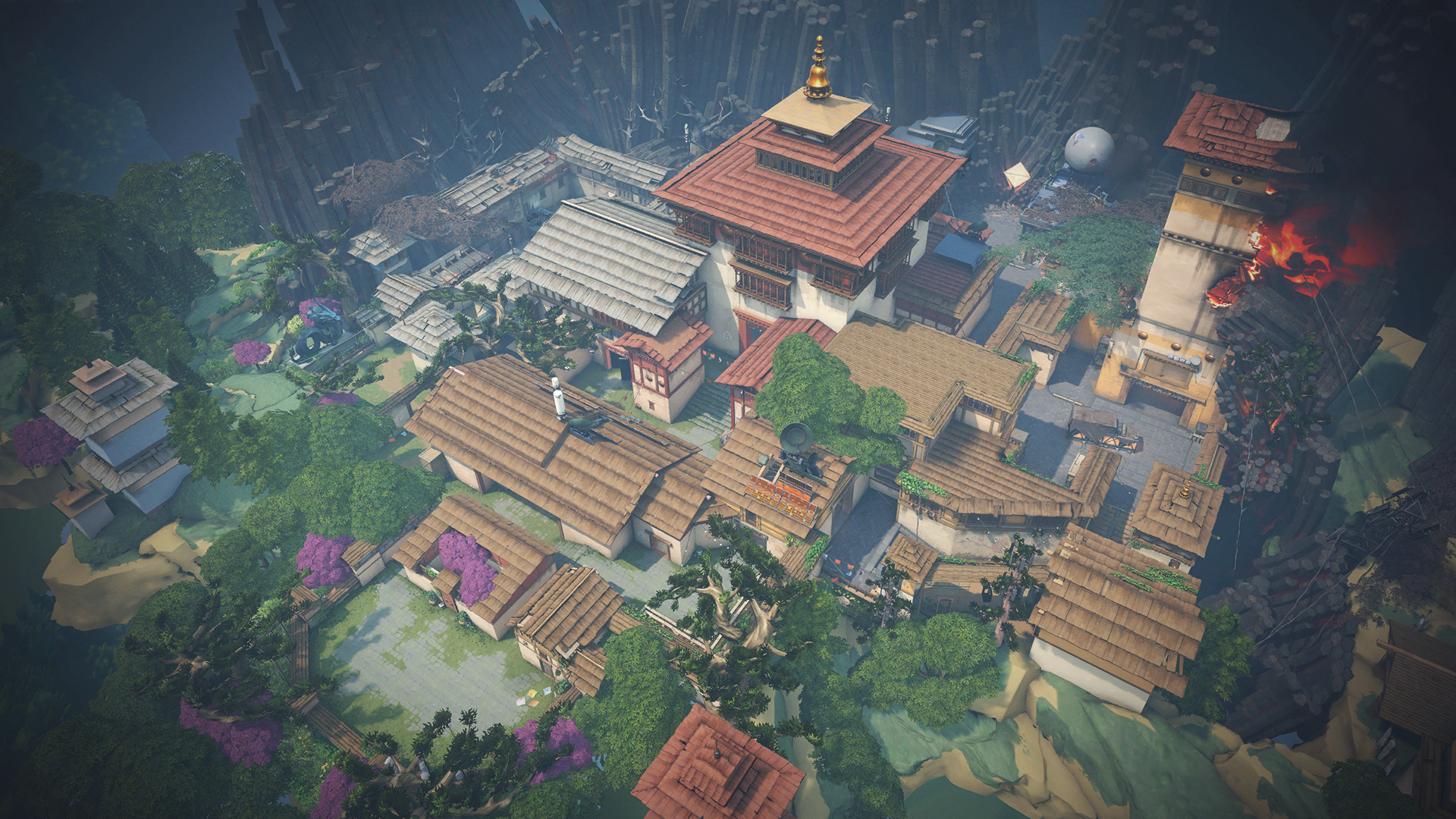
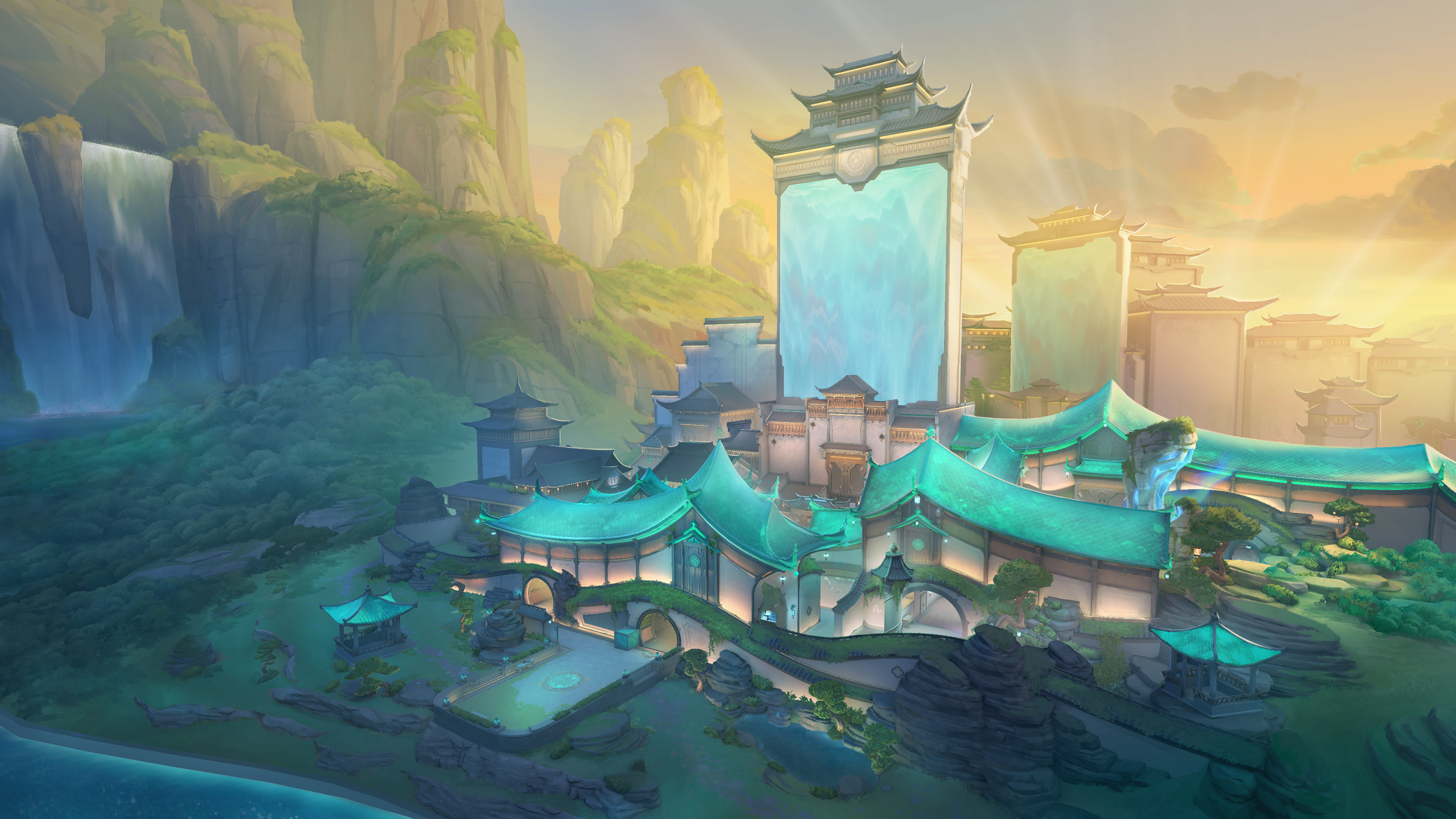
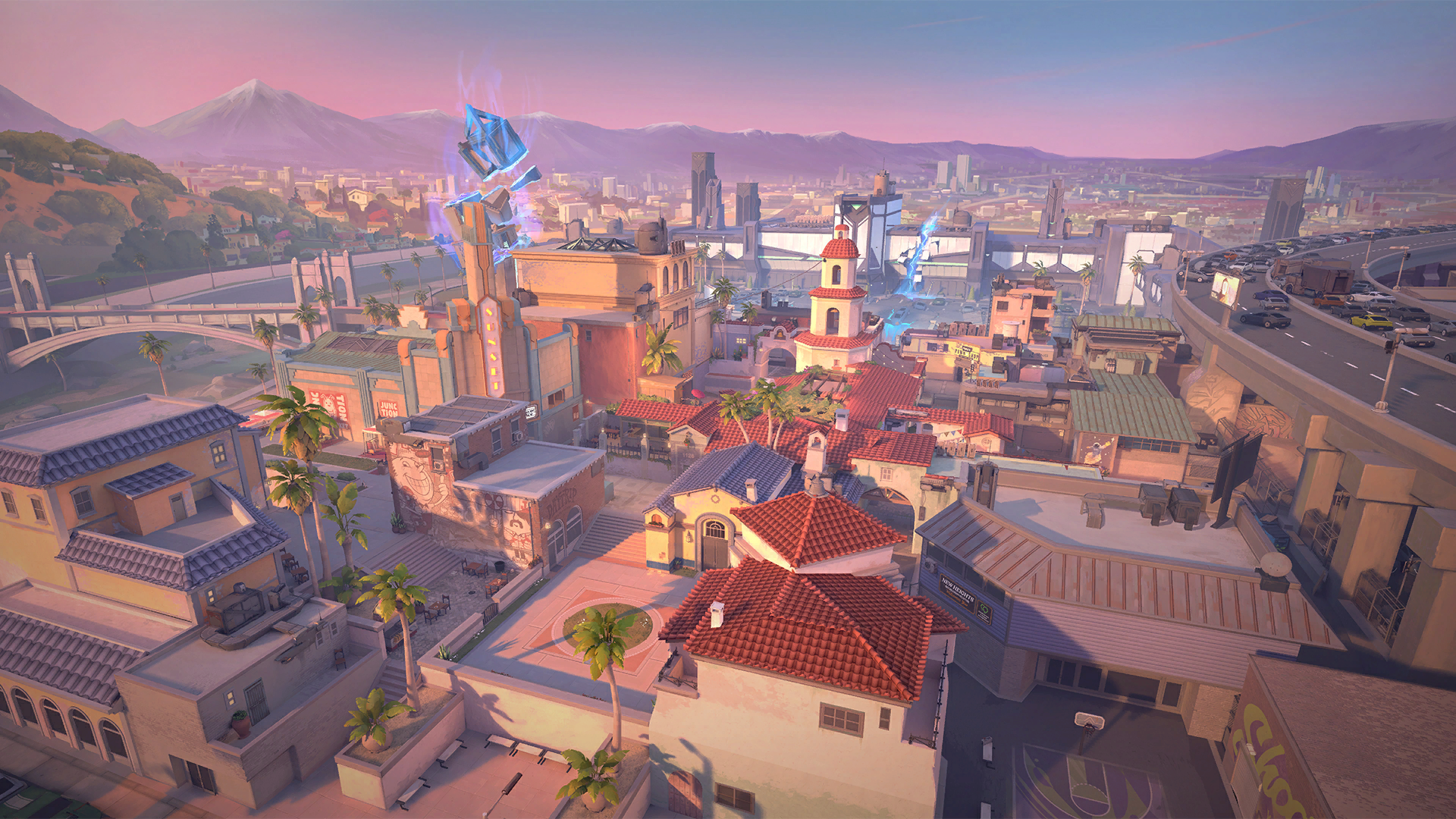
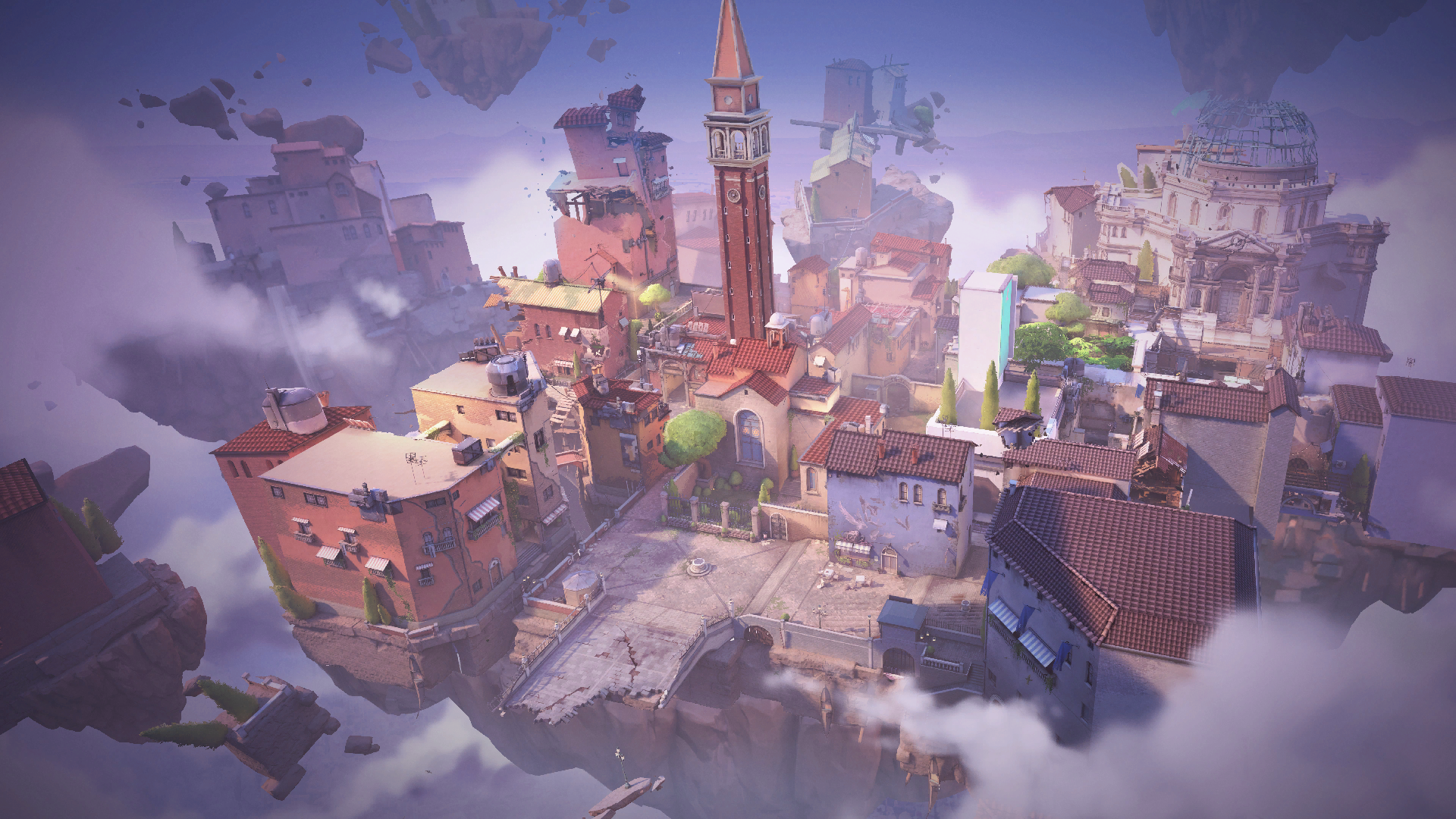
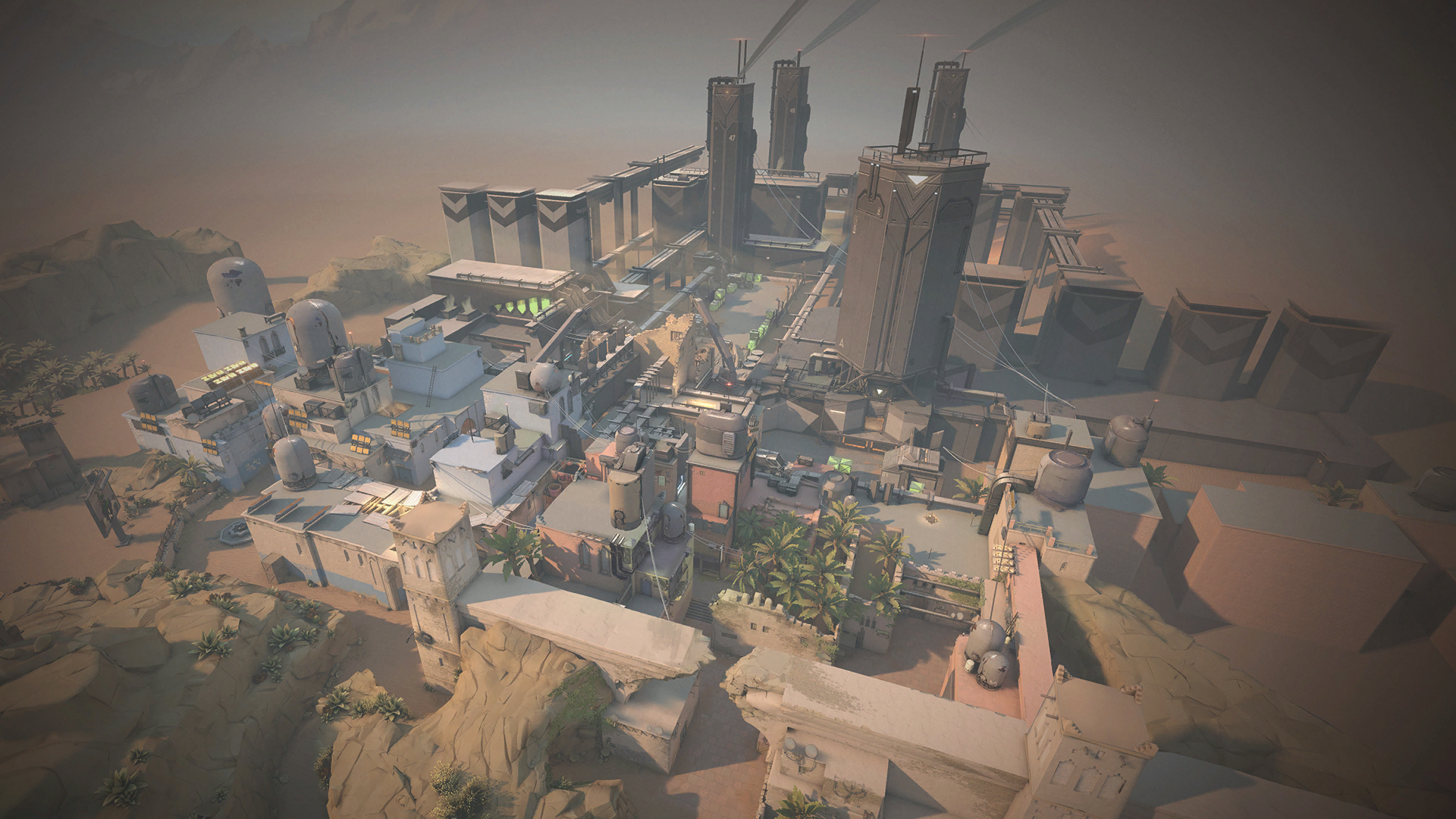
Fracture is an H-shaped map with A on one wing and B on the other, joined by a single central Defender Side Spawn and no traditional mid lane. Attackers start from spawns at both ends of the H and cross the map on one-way ziplines, so defenders have to watch two approach directions at once.

22
Official callouts
3
Community names
2
Bomb sites

VALORANT patch 13.08 · Updated

Fracture callouts map

Fracture · Attacker view

Click a callout to zoom · scroll to zoom in · ← → to step through · Esc to zoom out

Full list

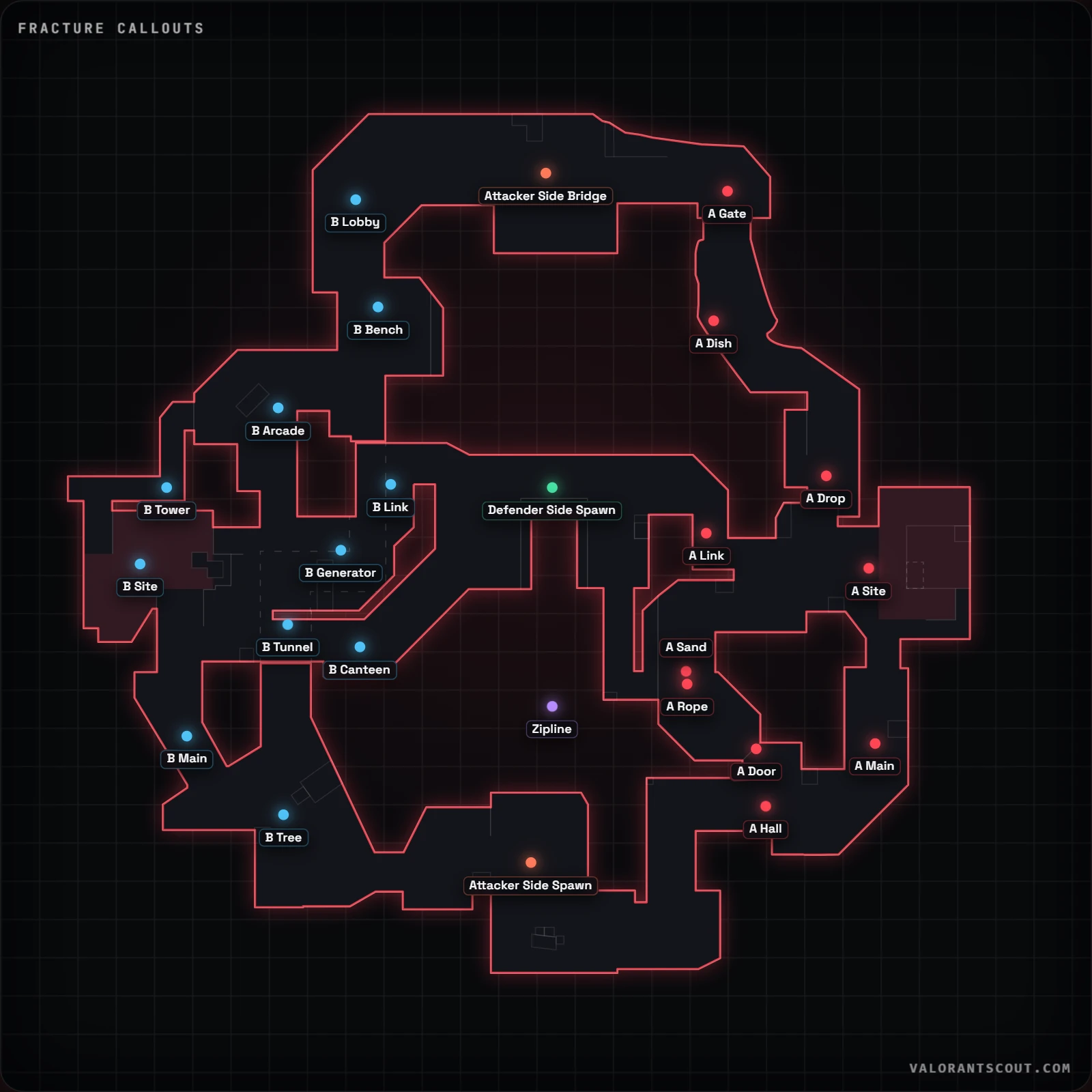
All 25 Fracture callouts

Every spot on Fracture with the name to call it, what else players call it and what it's for. 22 of them are the names VALORANT shows on the minimap; the rest are community callouts you'll hear in ranked and pro comms.

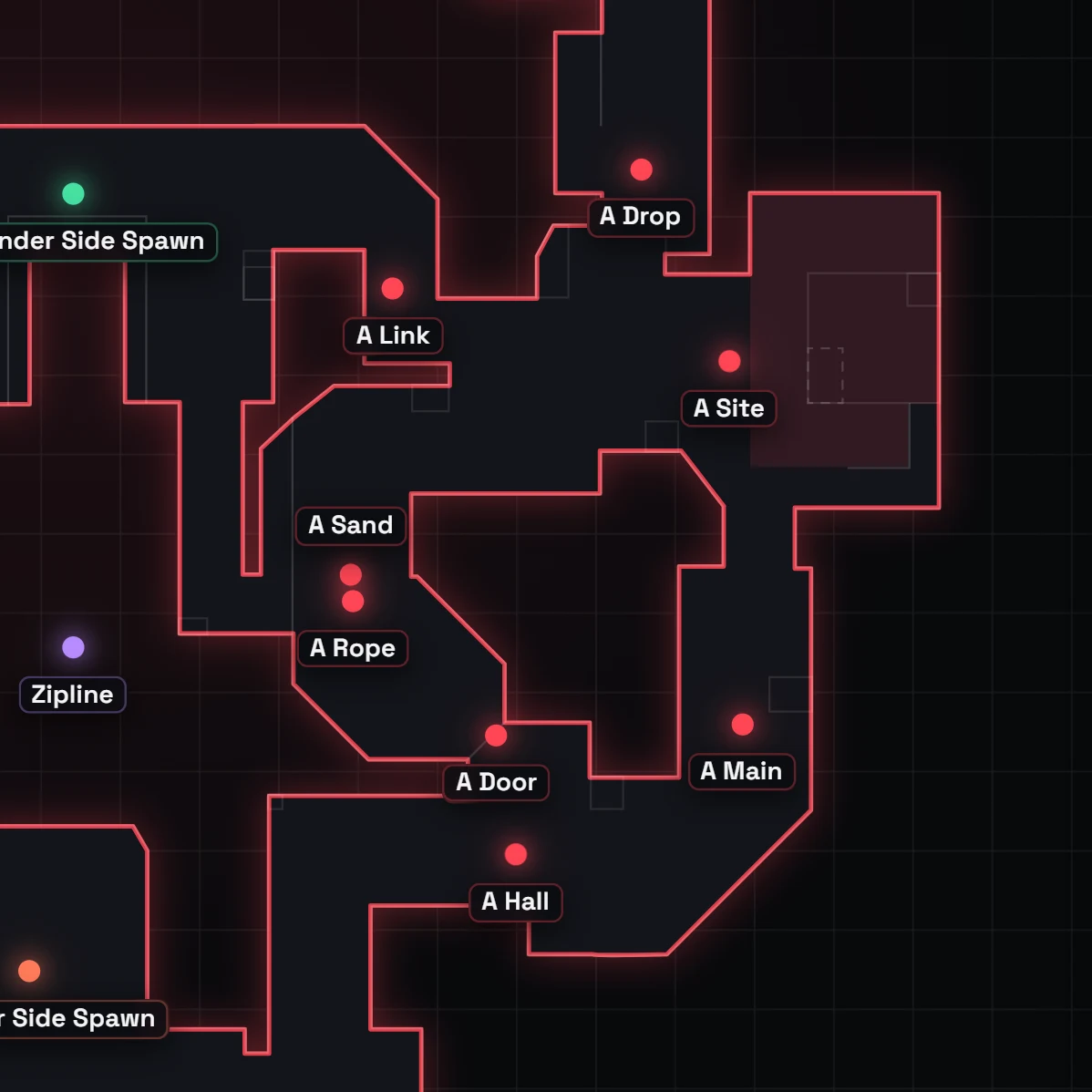
Fracture A site callouts

A DishAlso called Satellite, Dish / SatelliteThe satellite-dish area on the A side, where a lurker can cover an attacker push or a rotation, so defenders often keep someone watching it.
A DoorThe door set inside the A Hall corridor that opens toward A Rope and the Defender Side Spawn, which is why defenders listen there when a push comes through the hall.
A DropA northern entry into A Site from the raised box area, where a defender can jump down while an attacker dropping in makes enough noise to be heard.
A GateSpot on the outer side of the Attacker Side Spawn, away from the map centre, where a security-card interactive sits on a rock next to it.
A HallAlso called A HallsThe main entrance corridor into A Site, placed ahead of A Door and A Main, and the spot defenders call when they hear a push coming through the hallway.
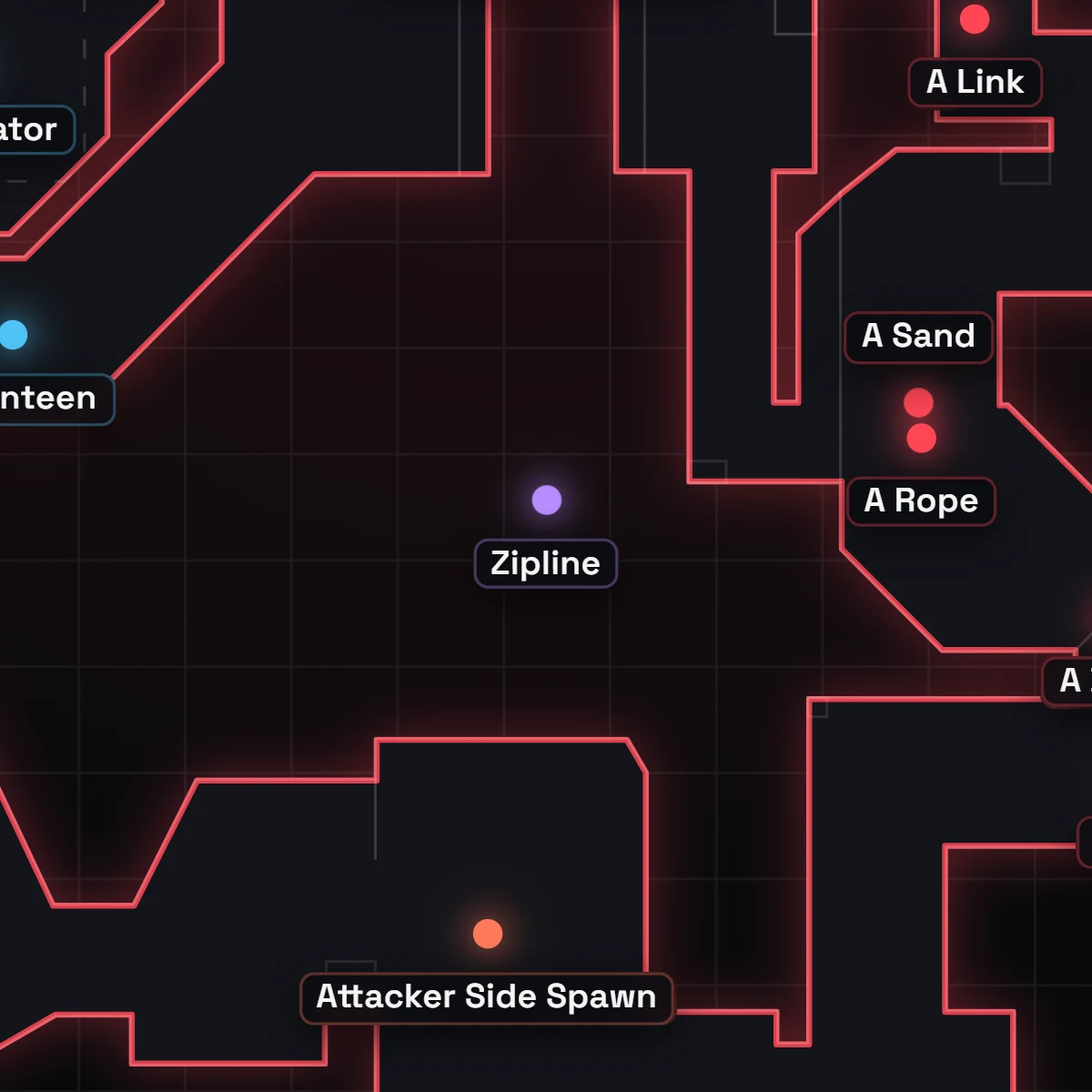
A LinkA southern entry into A Site, one of the routes that feeds attackers in from the bottom of the map alongside A Main and A Rope.
A MainThe attacker route onto A Site that runs beside A Hall, usually regarded as the strongest defensive angle on A, and the call for a push on the front of the site.
A RopeThe area beside the A Hall door where a defender can listen to pushes, and the path attackers use to reach the Defender Side Spawn.
A SandCommunityAlso called SandThe sandy area between A Rope and A Main, the open space attackers cross on their way onto A.
A SiteThe plant zone on the left wing of the map that every A-side route feeds into, and the reference point for calls such as A Hall, A Main, and A Link.

Fracture B site callouts

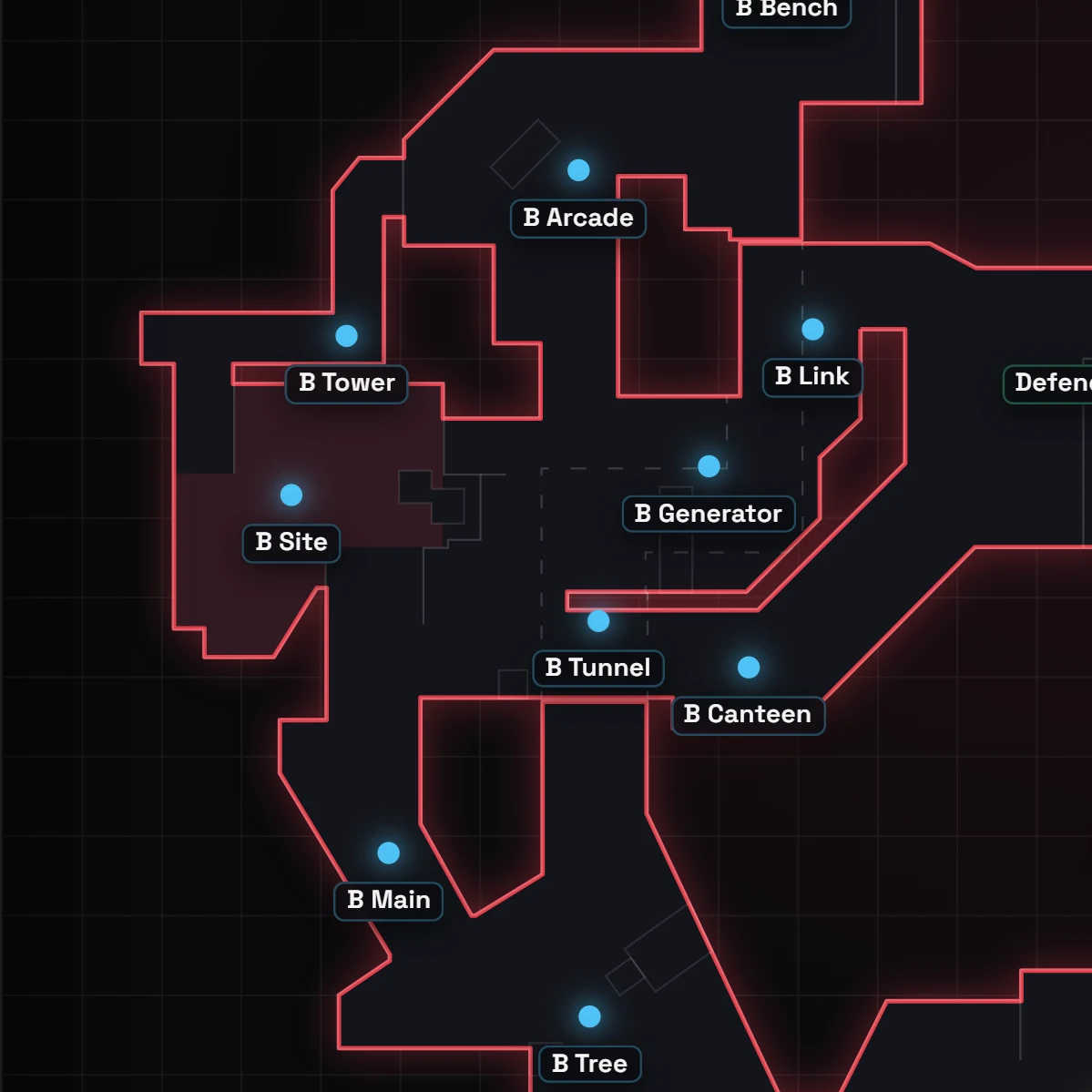
B ArcadeThe arcade building on the B side between B Tower and B Bench, a route onto B from the top half of the attacker spawn.
B BenchLane area on the B side, reached from Attacker Side Bridge.
B CanteenThe canteen beside B Generator on the B side, a hold spot covering pushes out of B Tunnel.
B GeneratorA tall cover spot on the B side near the site, valued because it gives a defender cover and a comfortable hold next to the B Canteen.
B LinkThe northern entry into B Site, mirroring the southern B Main approach, and a route defenders watch when rotating from the middle of the map.
B LobbyCommunityThe attacker area at the top of the map that feeds B Bench and B Arcade, where B pushes from that half of spawn are set up.
B MainThe attacker push route into B Site from the south, which defenders usually watch from B Tower.
B SiteThe plant zone on the right wing of the map, with many angles and hiding spots, where attackers arrive through several entrances.
B TowerAn elevated defensive position on B Site that watches Arcade, the Tunnel, and the B Main push, and that defenders are advised to hold in a crossfire because some of its walls can be shot through.
B TreeA spot in the greener Alpha sector just past the main entrance and before the B Site.
B TunnelAlso called UnderpassThe underpass beneath the B side that attackers use to rotate around B Site, watched from B Tower, and one of the few map features that stayed unchanged from the earliest prototype.

Fracture mid callouts

ZiplineCommunityThe one-way ziplines under Defender Spawn that carry attackers between the two halves of their spawn.

Fracture attacker side callouts

Attacker Side BridgeAttacker-side bridge that leads from Attacker Side Spawn into the B Bench ramp, so it is the attacker route toward B rather than a bridge over the map centre.
Attacker Side SpawnAlso called Attacker SpawnOne of the two attacker spawns, placed at opposite ends of the H-shaped map, from which attackers ride a one-way zipline to the far end, which is why the spawn split matters for defense.

Fracture defender side callouts

Defender Side SpawnAlso called Defender SpawnThe central defender spawn in the middle of the H, above the zipline, and the only efficient connector between the A and B sites, which makes it the main rotation point.
Fracture callouts map for VALORANT with 22 official callouts labeled, including A Main and B Main
Fracture callout map · patch 13.08Download image ↓

Site by site

Fracture callout maps by site

Fracture A site callouts in VALORANT, labeled on the map
Fracture A site callouts10
Fracture B site callouts in VALORANT, labeled on the map
Fracture B site callouts11
Fracture mid callouts in VALORANT, labeled on the map
Fracture mid callouts1

Not on the minimap

Fracture community callouts

Names you'll hear in ranked and pro comms that the game itself doesn't print. They're usually props or corners inside a bigger area, so they let a call be more exact than the minimap allows.

  • A SandA Site

    Also called Sand

    The sandy area between A Rope and A Main, the open space attackers cross on their way onto A.

  • B LobbyB Site

    The attacker area at the top of the map that feeds B Bench and B Arcade, where B pushes from that half of spawn are set up.

  • ZiplineMid

    The one-way ziplines under Defender Spawn that carry attackers between the two halves of their spawn.

Area by area

Know every corner of Fracture

A Site

10 callouts
  1. 01Put one player on A Rope to hear pushes through the A Hall door and a second on A Dish to catch lurkers coming from the satellite area.
  2. 02When you lose A Main or A Hall, fall back toward the Defender Side Spawn and retake with the team, because attackers have several entries and holding alone is costly.
  3. 03As an attacker, use the plant behind the box on the lower level, which was the most popular plant spot in playtest, and avoid A Drop unless you can cover the noise of the drop.

B Site

11 callouts
  1. 01Take B Tower early with a teammate, since it covers Arcade, the Tunnel, and the B Main push, and crossfire it because parts of the walls can be shot through.
  2. 02As an attacker, clear B Tower first, then pincer the site from the Tunnel while the rest of the team pushes B Main.
  3. 03Check the alcove next to the site and the central boxes before calling a clean site, since both are common plant spots.

Mid

1 callouts
  1. 01Use the Defender Side Spawn as the fastest connector, but do not hold it alone with attacker utility still in hand, because attackers can trap defenders in the middle third.
  2. 02Attackers who ride the long ziplines silently are slower, but the silence masks their sound from defenders in the Defender Side Spawn.

Practice

Fracture callout quiz

One spot on Fracture lights up and you pick its name from four. Keep a streak going; your best is saved on this device. A few rounds is enough to know the map before you queue.

Start the Fracture quiz

Contribute

Missing a callout on Fracture?

Drop a pin where it is, name it and say what it's for. Every submission is checked before it goes on the map, and it shows up with your name on it.

+ Add a callout

FAQ

Fracture callouts, answered.

What are the callouts on Fracture?

Fracture has 25 common callouts. A Site: A Dish, A Door, A Drop, A Gate, A Hall, A Link, A Main, A Rope, A Sand and A Site. B Site: B Arcade, B Bench, B Canteen, B Generator, B Link, B Lobby, B Main, B Site, B Tower, B Tree and B Tunnel. Mid: Zipline.

How many sites does Fracture have?

Fracture has 2 bomb sites (A Site and B Site). Fracture is an H-shaped map with A on one wing and B on the other, joined by a single central Defender Side Spawn and no traditional mid lane. Attackers start from spawns at both ends of the H and cross the map on one-way ziplines, so defenders have to watch two approach directions at once.

Which Fracture callouts are not shown in the game?

A Sand, B Lobby and Zipline are community names. The game's own callout text doesn't use them, but players and pros say them all the time.

Where is A Dish on Fracture?

The satellite-dish area on the A side, where a lurker can cover an attacker push or a rotation, so defenders often keep someone watching it.

Where is A Door on Fracture?

The door set inside the A Hall corridor that opens toward A Rope and the Defender Side Spawn, which is why defenders listen there when a push comes through the hall.

Where is A Drop on Fracture?

A northern entry into A Site from the raised box area, where a defender can jump down while an attacker dropping in makes enough noise to be heard.

Where is A Gate on Fracture?

Spot on the outer side of the Attacker Side Spawn, away from the map centre, where a security-card interactive sits on a rock next to it.

Are these Fracture callouts official?

22 of them are: they're the names VALORANT itself prints on the Fracture minimap. The other 3 are community names that players and pros use but the game doesn't show; they're marked Community.

How do I see callout names in the game?

VALORANT shows the name of the area you're in under the minimap, and a location ping shows the callout name of the spot you pinged, so your team hears and sees the same word.

Are VALORANT callouts translated into other languages?

Partly. In some languages the game translates a few minimap names (Spanish shows "Árbol" for Tree, for example), while names like Main and Lobby stay in English. Most teams use the English names in comms.

How do I learn callouts fast?

Open the map above, switch to the side you're playing, then hit Test yourself. The quiz lights up one spot at a time and asks for its name, so a few rounds of it is enough to know the map before you queue.

The app

Know the lobbybefore round one.

Valorant Scout is also a free desktop app: every player's rank, RR, K/D, party and smurf flags, live from your own VALORANT client.

Free · open source · Windows 10 and 11